
Every recommendation must trace back to visible premises and deterministic calculations.
Independent product · Tax technology
BASE 28: turning tax transition into decisions
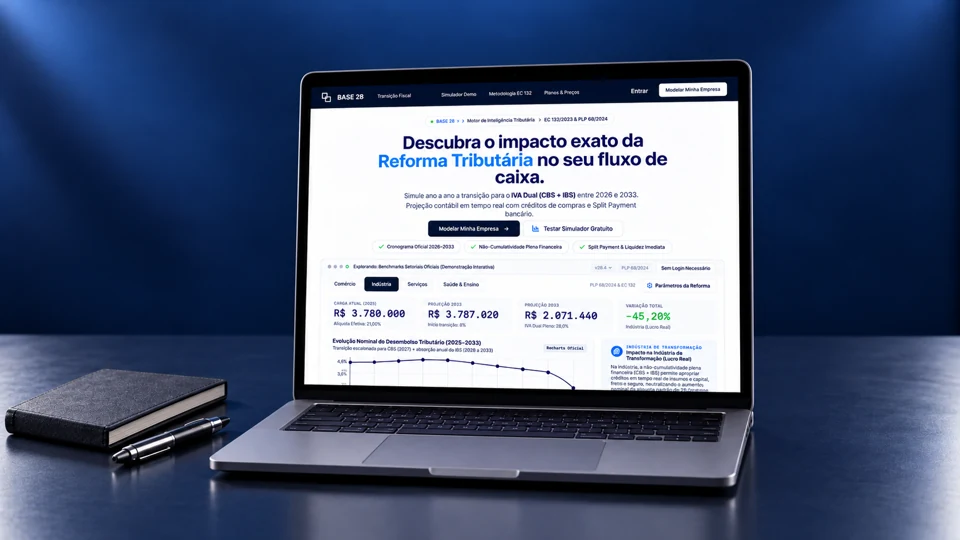
A decision workspace for modeling Brazil's 2026–2033 tax transition, comparing strategic scenarios and translating financial effects into an executive action plan.
01
Context
Brazil's tax reform creates a long transition rather than a single cutover. Between 2026 and 2033, companies must operate old and new rules simultaneously while CBS, IBS, credits and split payment reshape cash flow.
For CFOs, tax leaders and boards, the information is available but fragmented across legislation, technical interpretations and spreadsheets. Understanding the rule is not enough; teams need to see when the financial pressure appears and which decision can change the outcome.
02
The Challenge
The challenge was to turn a multi-year regulatory model into a product that remained rigorous enough for specialists and legible enough for an executive conversation.
How might a dense tax transition become a transparent, testable and actionable decision model?
03
My Role
I independently lead the entire BASE 28 project: product conception, strategy, UX/UI, AI-assisted implementation, testing and continuous refinement. I am also prospecting users for acceptance testing. Supply is an extension of that same independent practice.
04
Product thesis
Companies do not need another reform explainer. They need a decision system that connects assumptions, financial exposure, strategic choices and accountable action.
The product compares possible postures instead of presenting one forecast as truth.
Connect the simulation to preparation and a shareable executive report.
05
People and tasks
The product is designed for finance and tax leaders who need to understand exposure and compare options, and for procurement teams who need to investigate supplier choices. These are target profiles; user recruitment and validation are ongoing.
06
User journey
a.Framing the decision journey
The first move was to stop treating the reform as a content problem.
Establish premises
Company profile, tax regime, revenue, current burden and eligible credits.
Simulate transition
Make the 2026–2033 overlap visible year by year, with its assumptions.
Compare scenarios
Test inertia, supplier optimization and contractual pass-through.
Commit to action
Translate the selected posture into owners, milestones and decisions.
The journey keeps the calculation connected to a decision and an accountable next step.
07
From strategy to interface
A documented visual and behavioral system
I also created the brand design system, documenting the interlocking mark, navy and slate palette, UI and numeric typography, spacing, components, motion and tone of voice. The direction connects institutional sobriety with accounting precision: semantic colors communicate status, while deliberate motion guides interactions.
BASE 28 · Design Systemv2.0
Navy
#0F172ASlate
#94A3B8Canvas
#F8FAFCSurface
#FFFFFFSuccess
#059669Info
#2563EBWarning
#D97706Danger
#DC2626Interface typographyManropeAa · Regular / Medium / Semibold / Bold
Numeric typographyJetBrains Mono
0123456789 · R$ 9.360.000Crédito plenoParcial · SimplesZero crédito
4px spacing scale · Semantic status colors · Deliberate motion · Calm, precise tone of voice.
The experience connects a public benchmark to company-specific analysis, strategic comparison and a shareable executive deliverable. The screens below document the current interface; displayed values are simulation examples, not measured business outcomes.
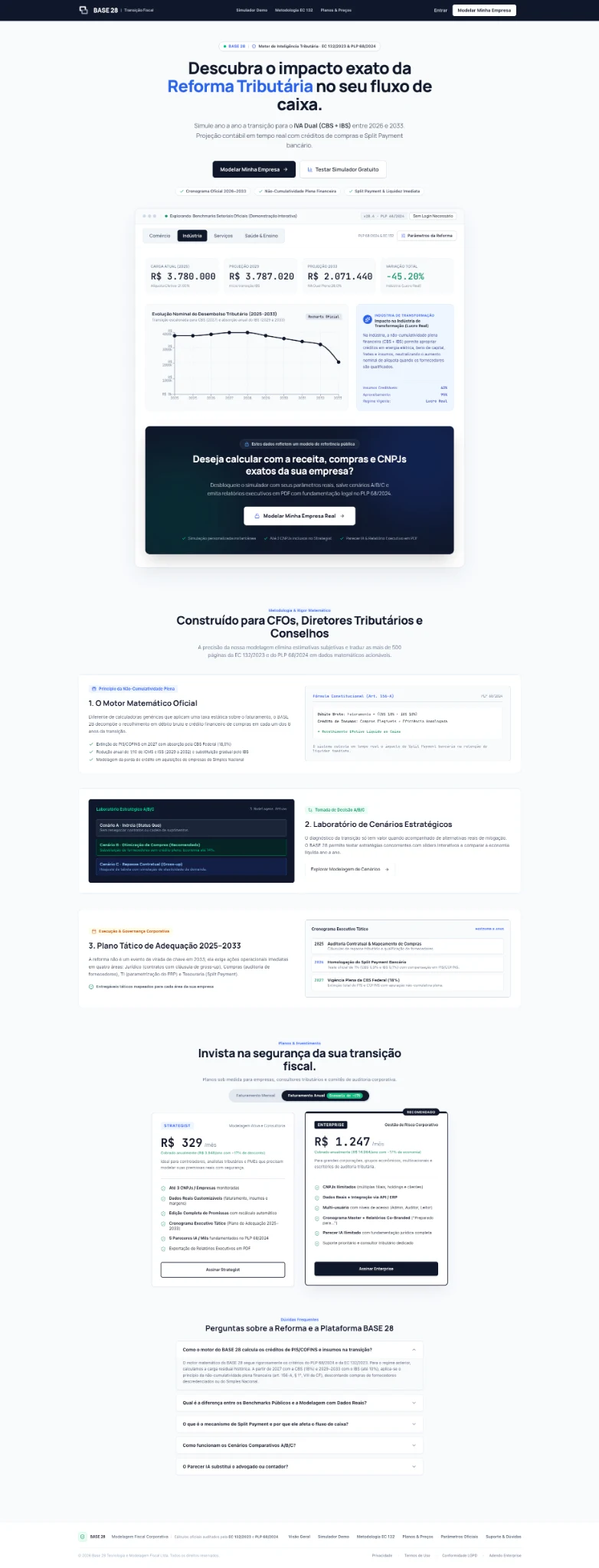
a. From exploration to company modeling
The public landing page lets visitors explore a sector benchmark before entering their company data. This separates an initial demonstration from a company-specific simulation.
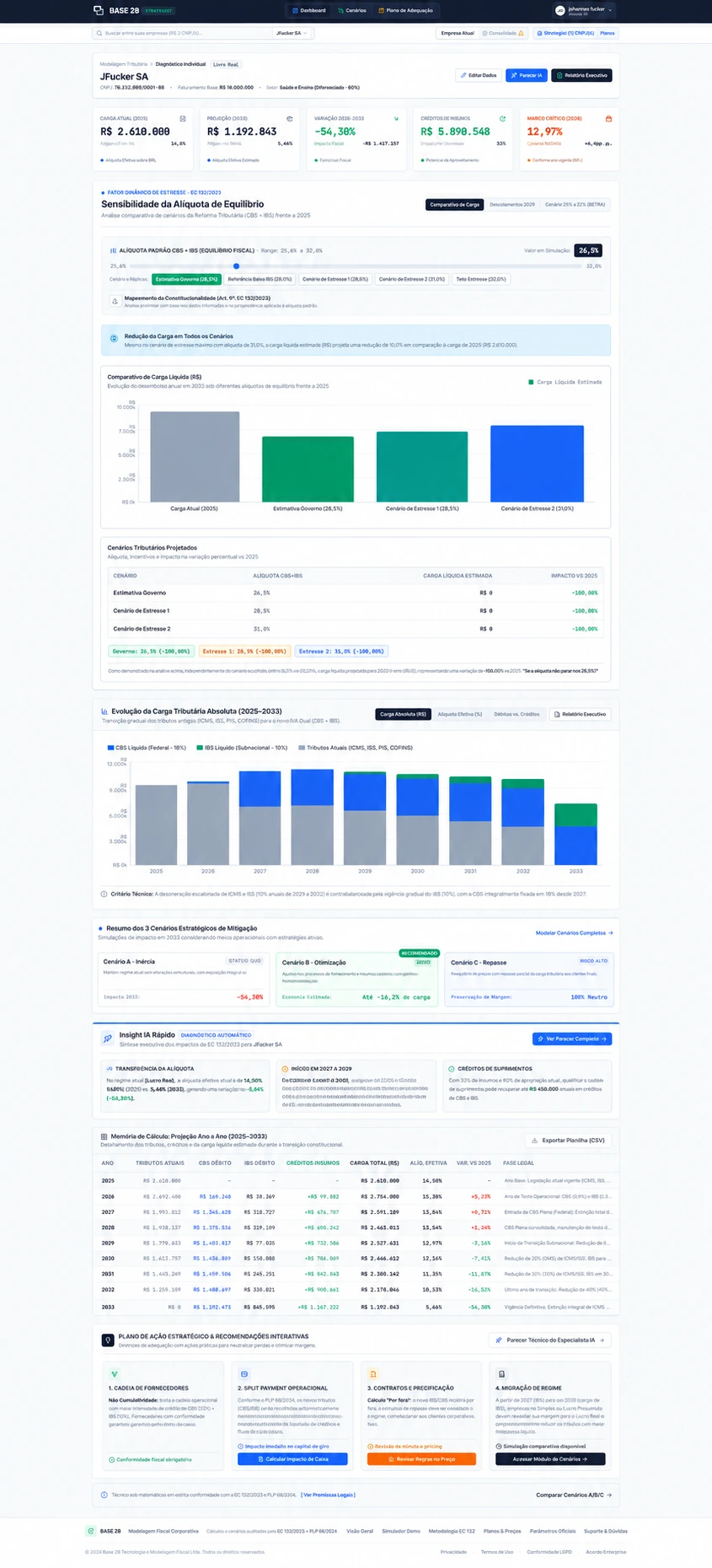
b. Diagnose with visible assumptions
The dashboard connects summary indicators to sensitivity controls and the year-by-year calculation record. Users can inspect the assumptions behind the projection instead of receiving only a final percentage.
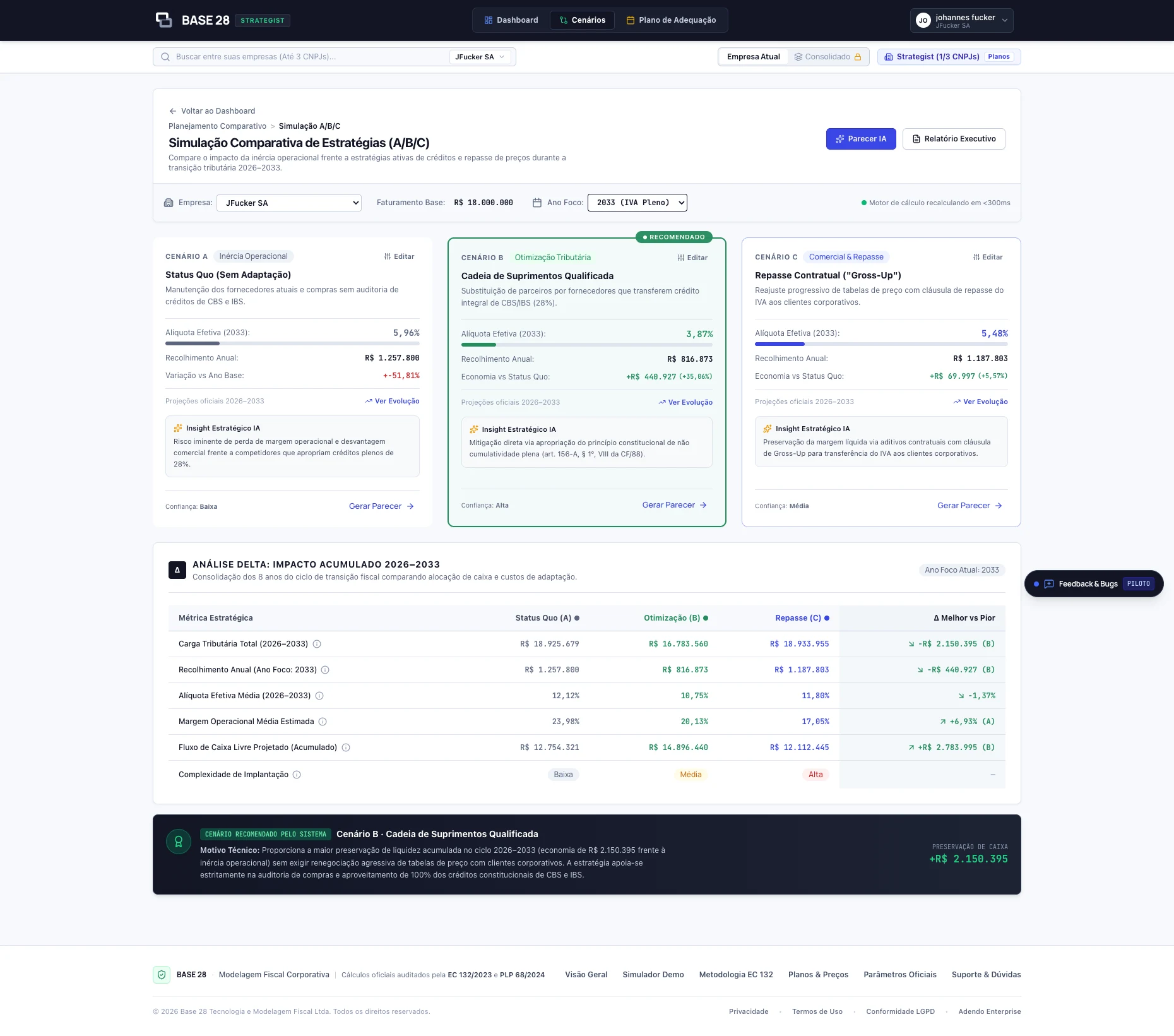
c. Compare strategies, then inspect their evolution
Scenarios A/B/C put operational inertia, supplier optimization and contractual pass-through side by side. Financial effects and implementation complexity support comparison. A detail window reveals the temporal trajectory without adding every detail to the main view.
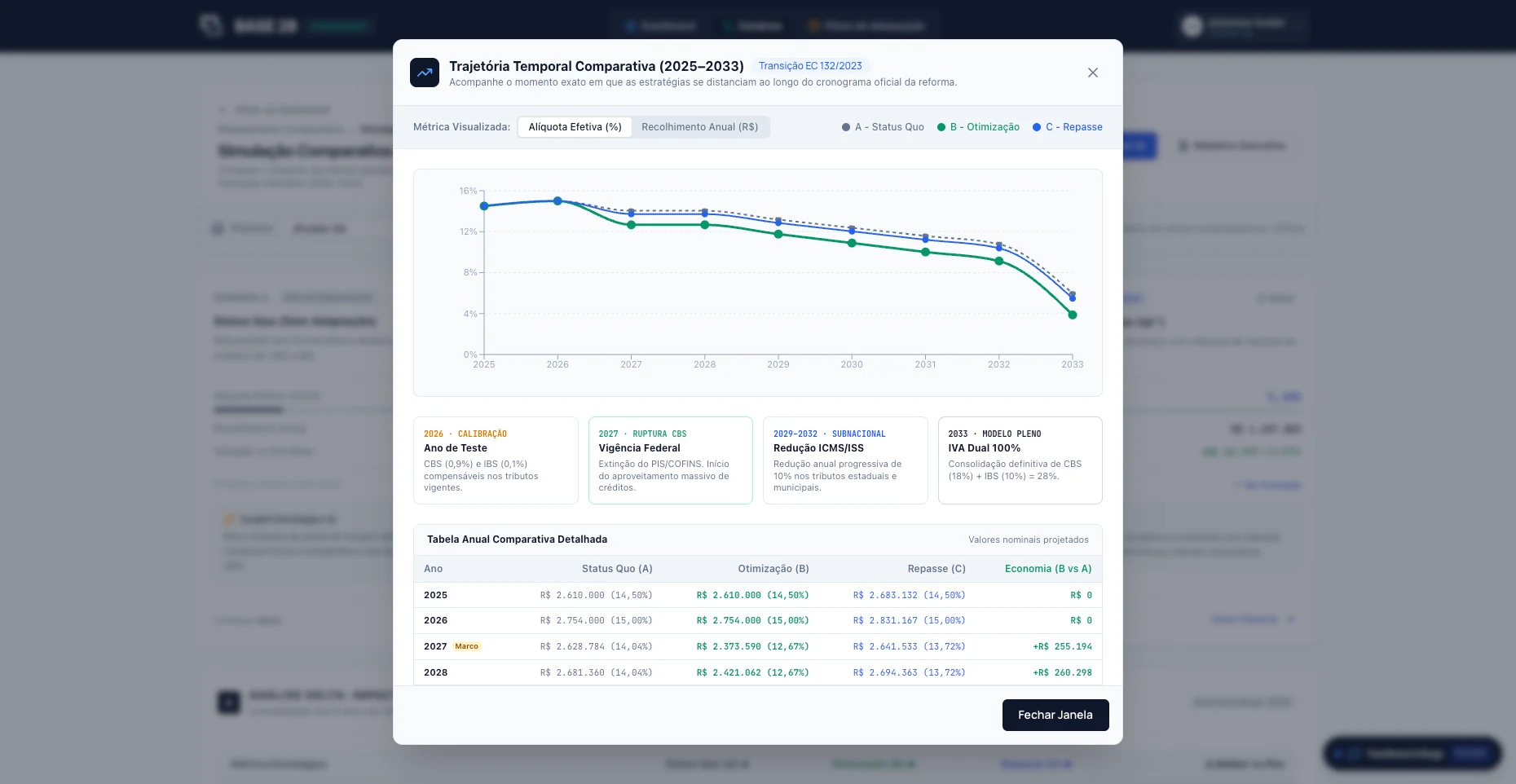
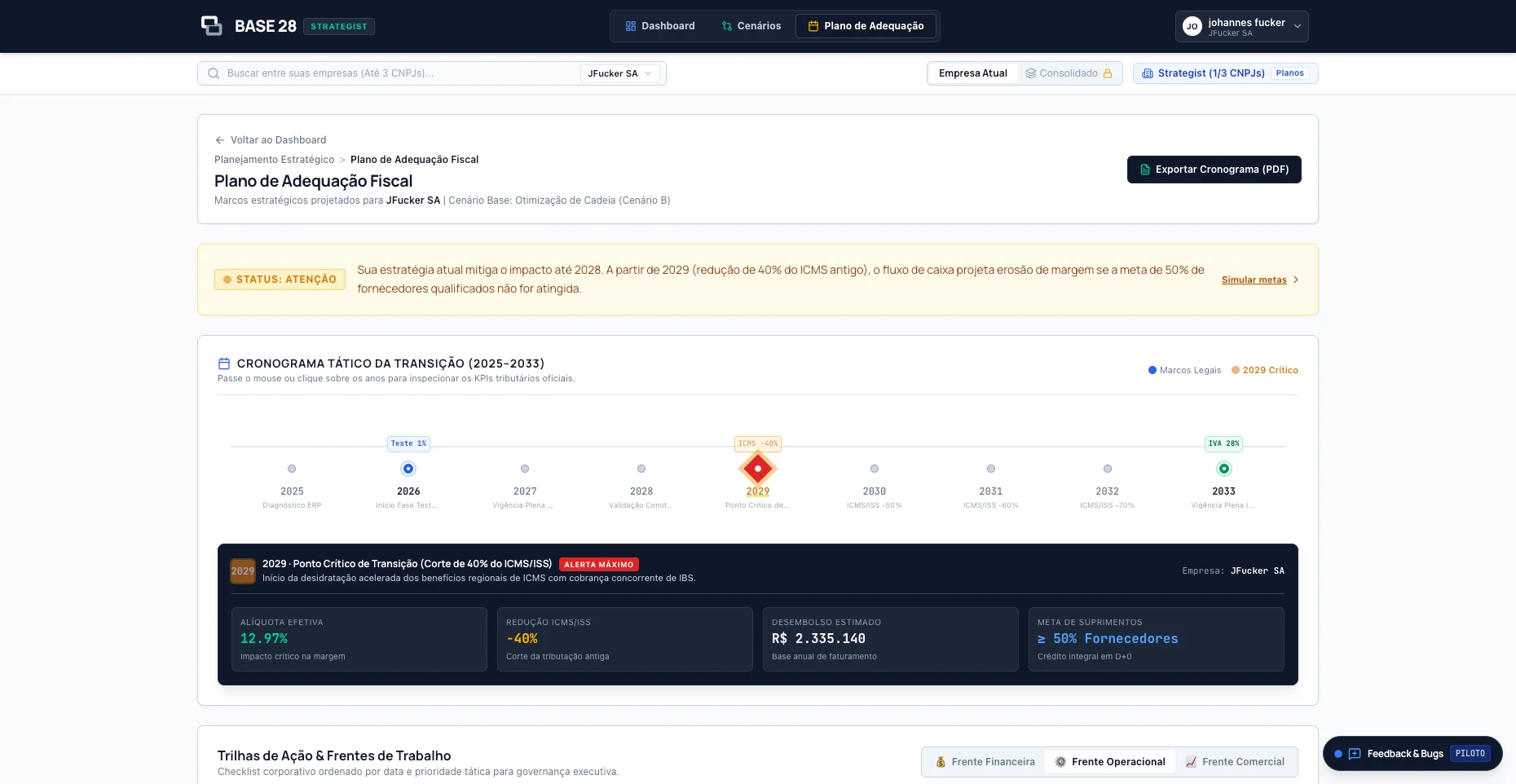
d. Turn a scenario into an adaptation plan
The plan connects the selected scenario to milestones, supply targets and work fronts. Inspecting a year reveals its projected indicators; the plan provides a bridge from analysis to preparation.
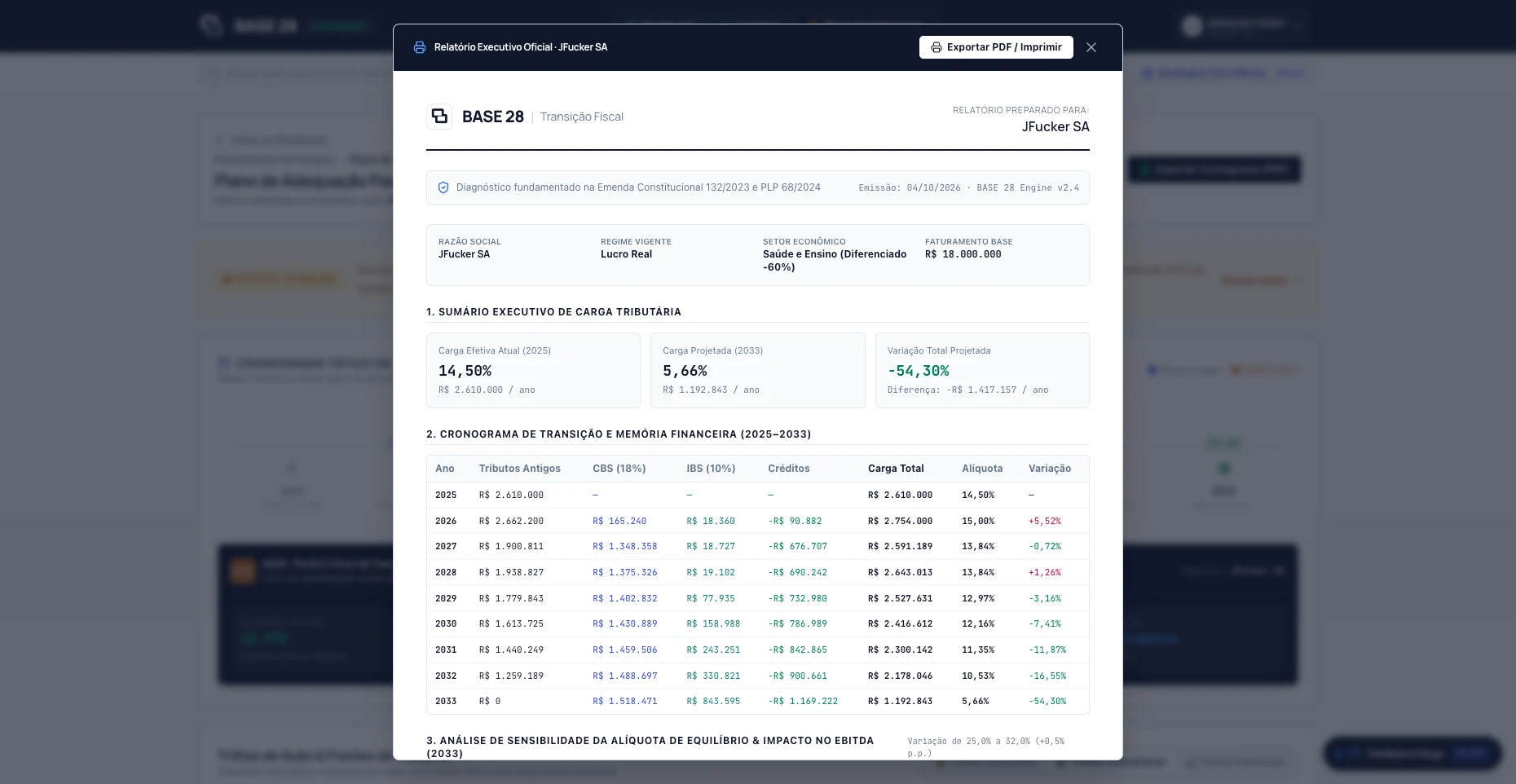
e. An executive deliverable beyond the interface
The executive report is the final deliverable of the simulations. Its preview consolidates the company context, summary and financial calculation record, with PDF export or printing so the analysis can be shared and discussed outside the platform.
08
Supply: connecting suppliers to scenarios
Supply (CreditFlow) emerged from AI-assisted exploration of the existing product and its flows. A gap became clear: the scenario model depends on an estimated share of qualified suppliers, while companies need a more precise basis for comparing their actual supply chain. I evaluated that opportunity and defined an additional module connected to Core.
In development · Planned as a separately charged recurring add-on. The scope connects supplier import, classification, quote comparison and application of the analysis to the Core scenarios. The classification depends on consulted data and model assumptions; it is not presented here as a confirmed tax entitlement.
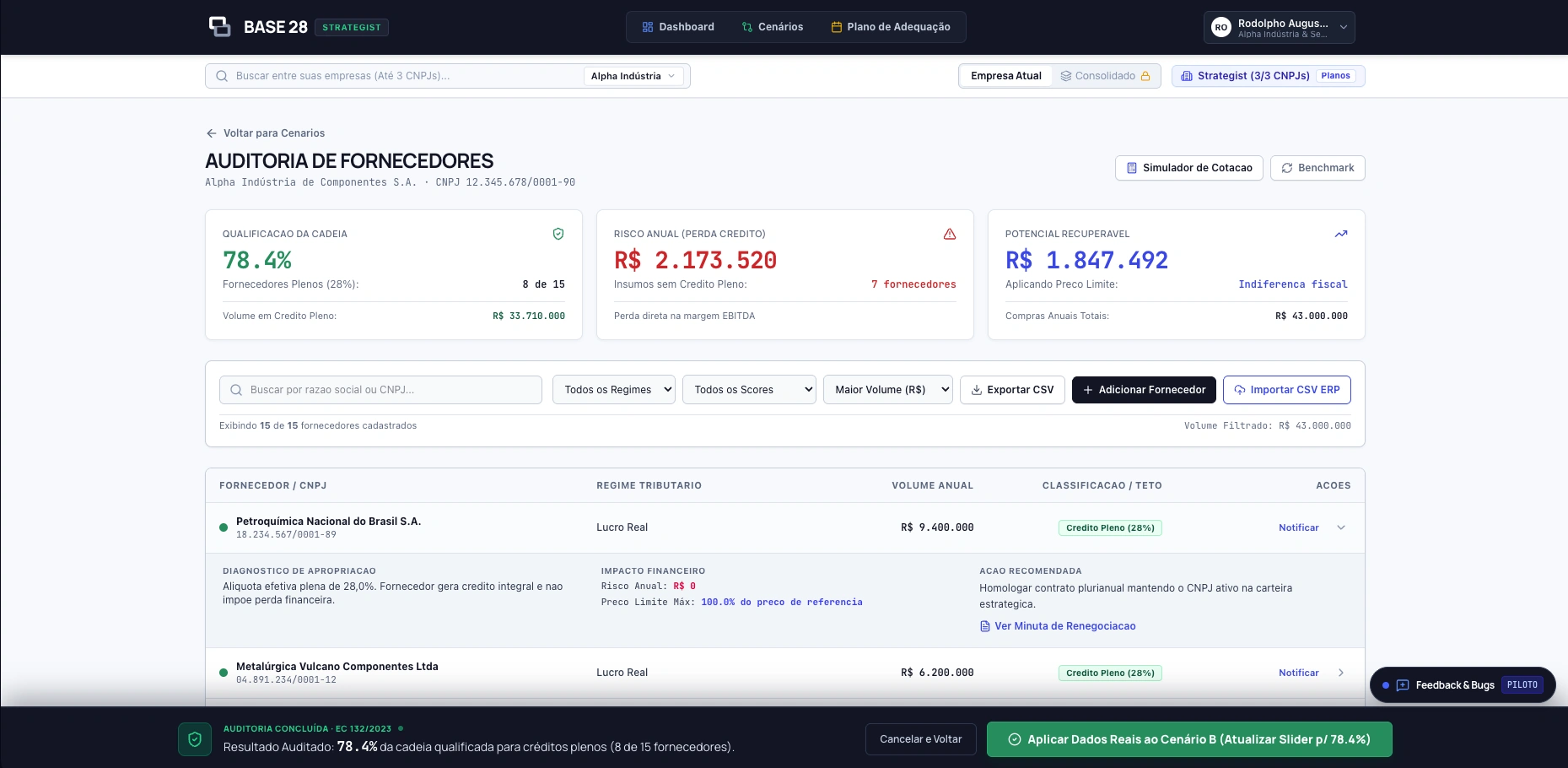
The design concentrates the task in one main screen, with supporting microinteractions. Acceptance testing will examine whether users understand the classification, price limit and effect of applying the data to a scenario.
09
AI in the product experience
AI supported product exploration and implementation. In the product experience, its role is to interpret calculated scenarios and answer contextual questions; the numerical simulation remains separate from the generated explanation.
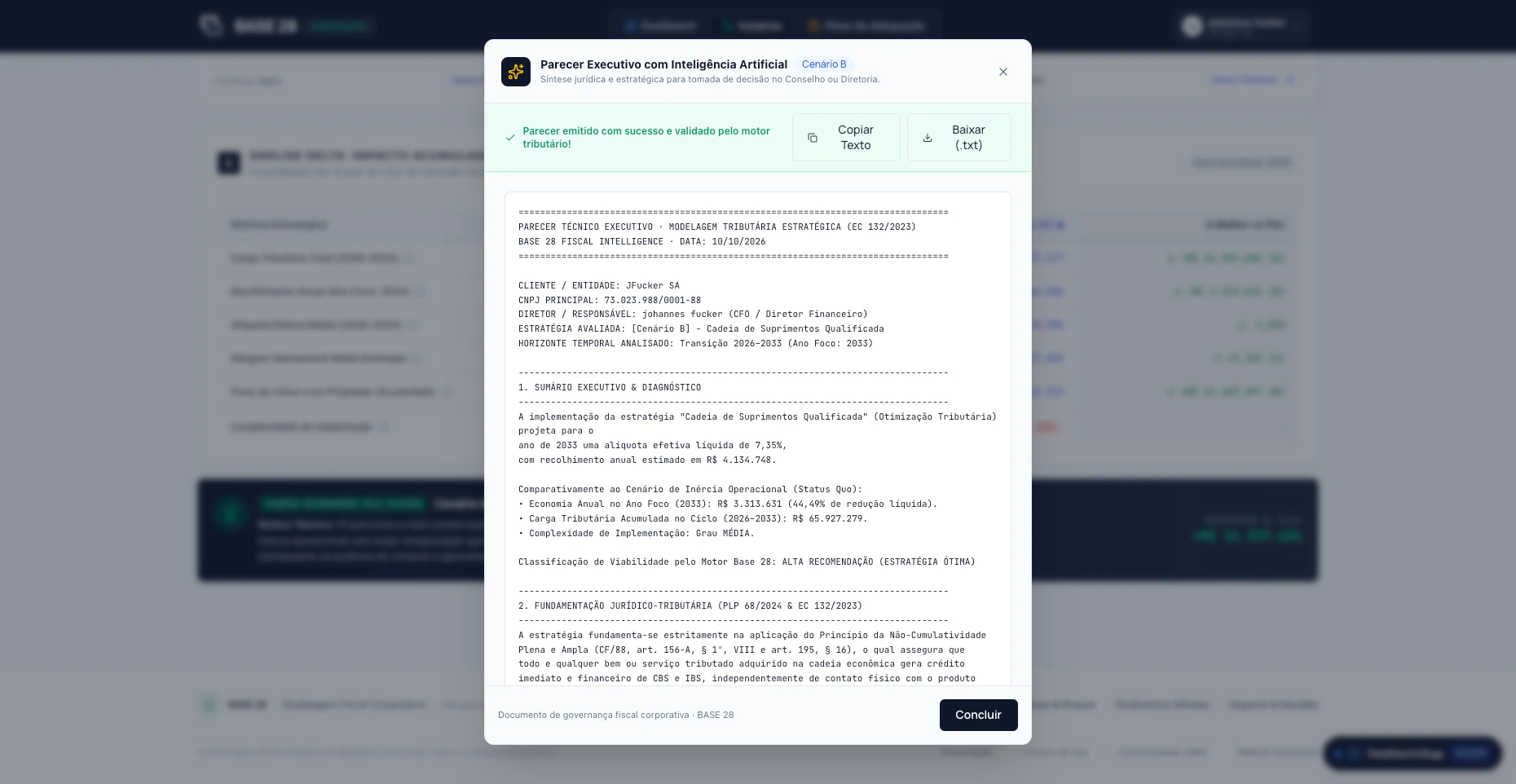
Executive opinion: from processing to interpretation
When the user requests an opinion, the interface retains company context and reports that the simulation data is being processed. The generated opinion is then displayed, with options to copy or download the text and close the opinion.
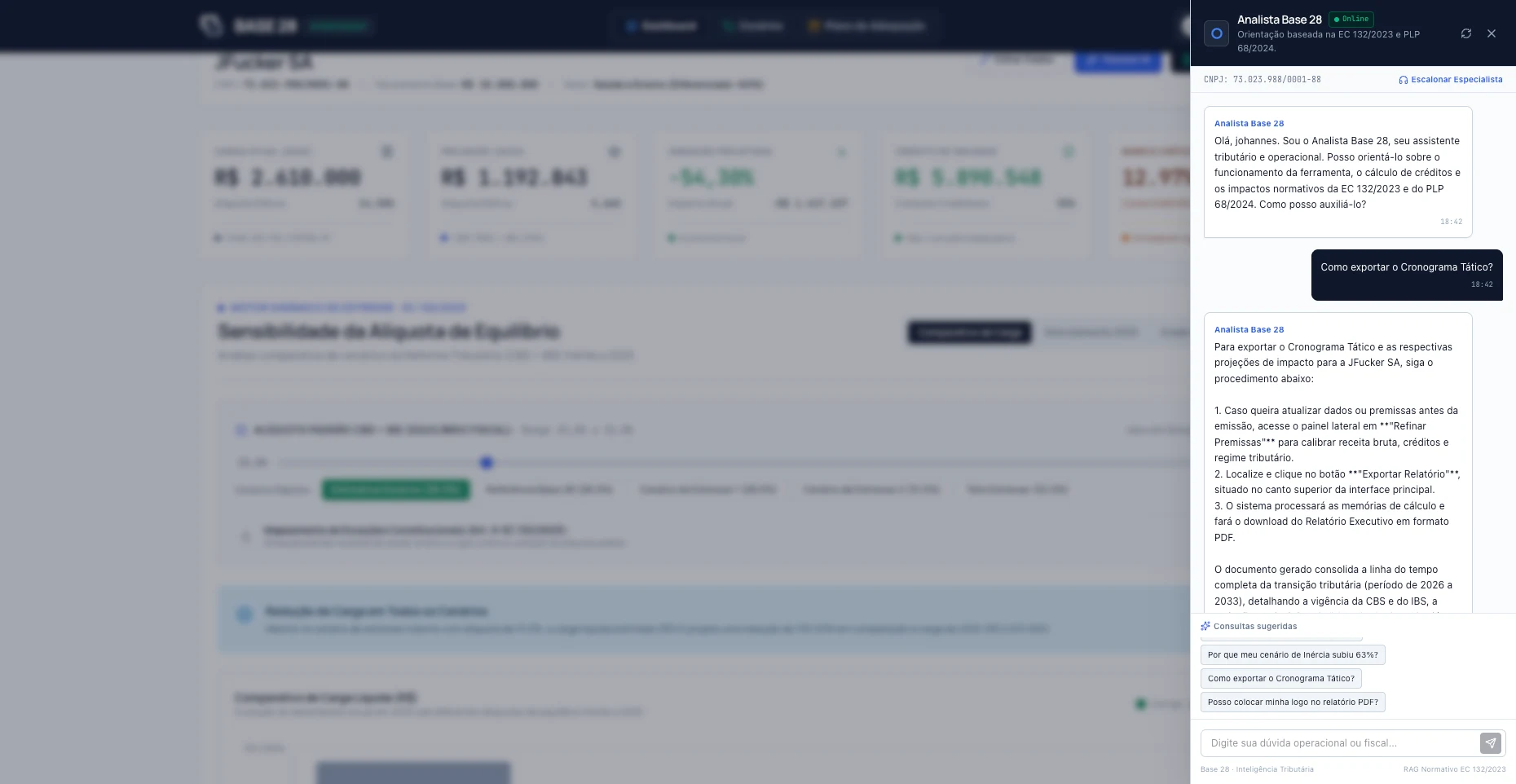
Contextual assistant during use
A side panel supports operational and contextual questions without replacing the main workspace. Suggested questions help users begin; the interface also exposes an option to escalate to a specialist.
10
Operating a product whose rules keep changing
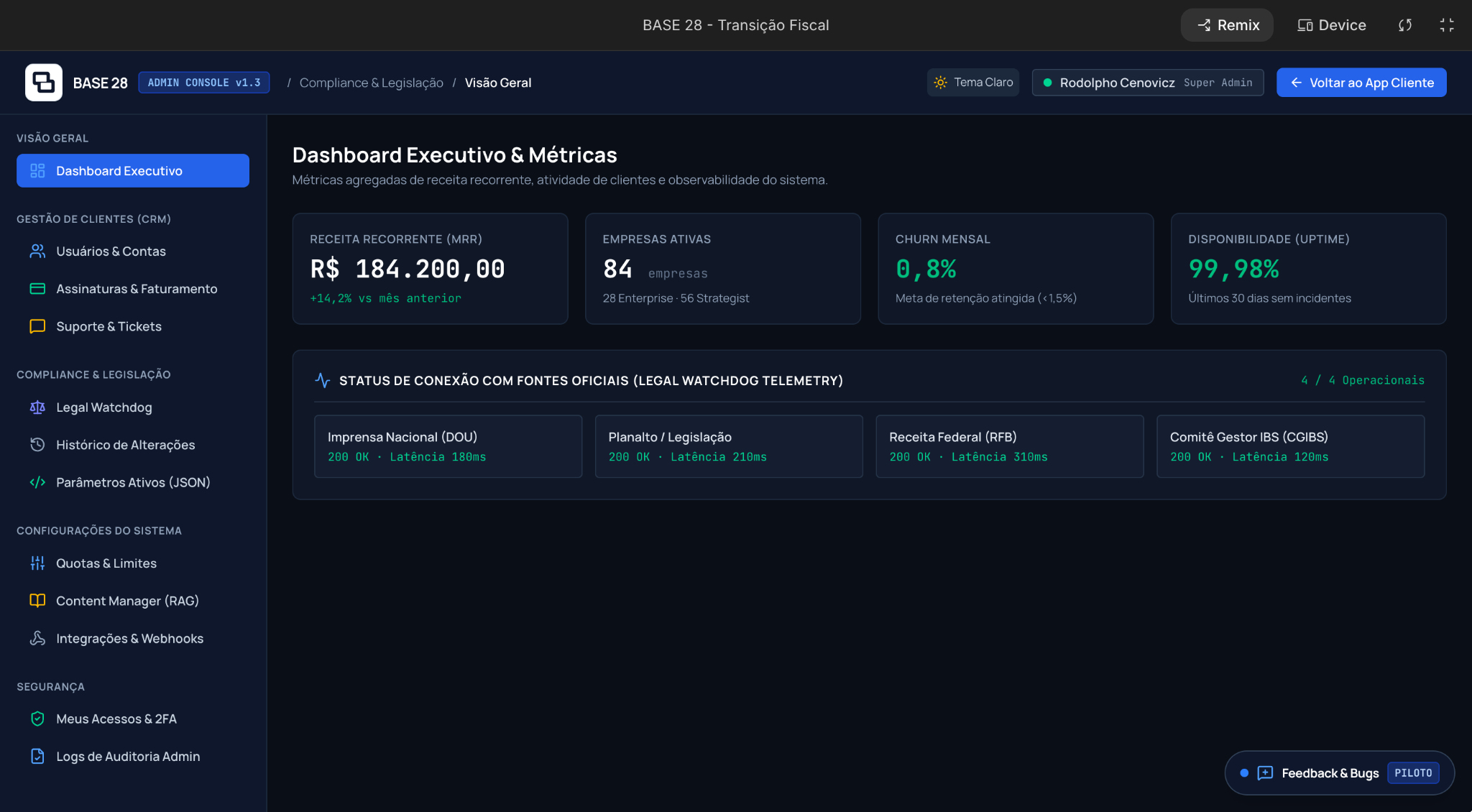
The product also needs an operating layer: managing accounts, monitoring sources and reviewing changes that may affect its reasoning and calculations. I extended BASE 28 with an administrative console and Legal Watchdog, a regulatory monitoring workflow.
The key decision is to automate detection and preparation while retaining human authorization. The robot monitors selected sources, identifies potentially relevant publications and queues proposed changes. A detected publication does not authorize a change to the engine.
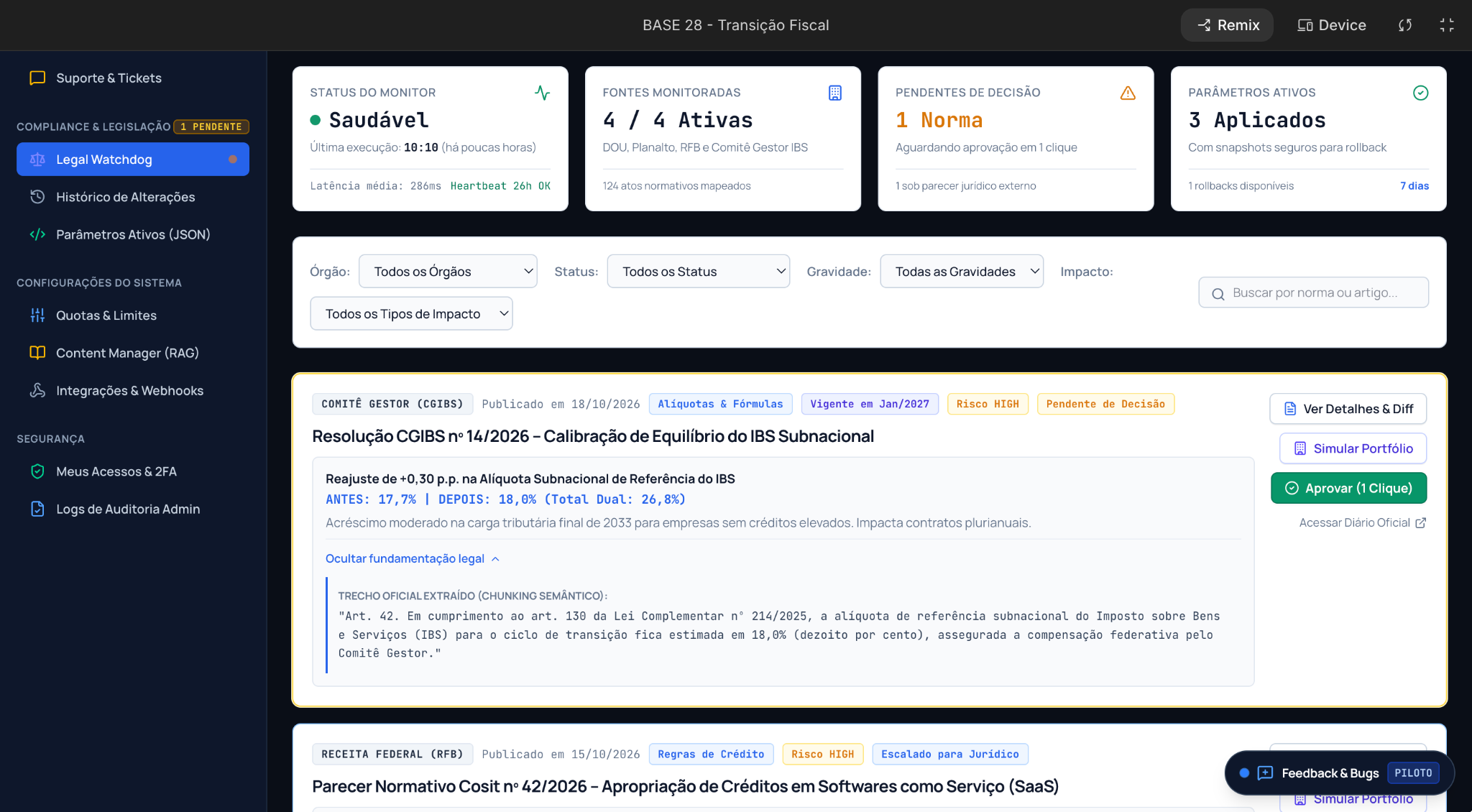
1. Make pending decisions visible
The review queue brings the publication, proposed parameter change and source together. The reviewer can inspect the change, assess its impact and decide how to proceed. This separates information collection from approval.
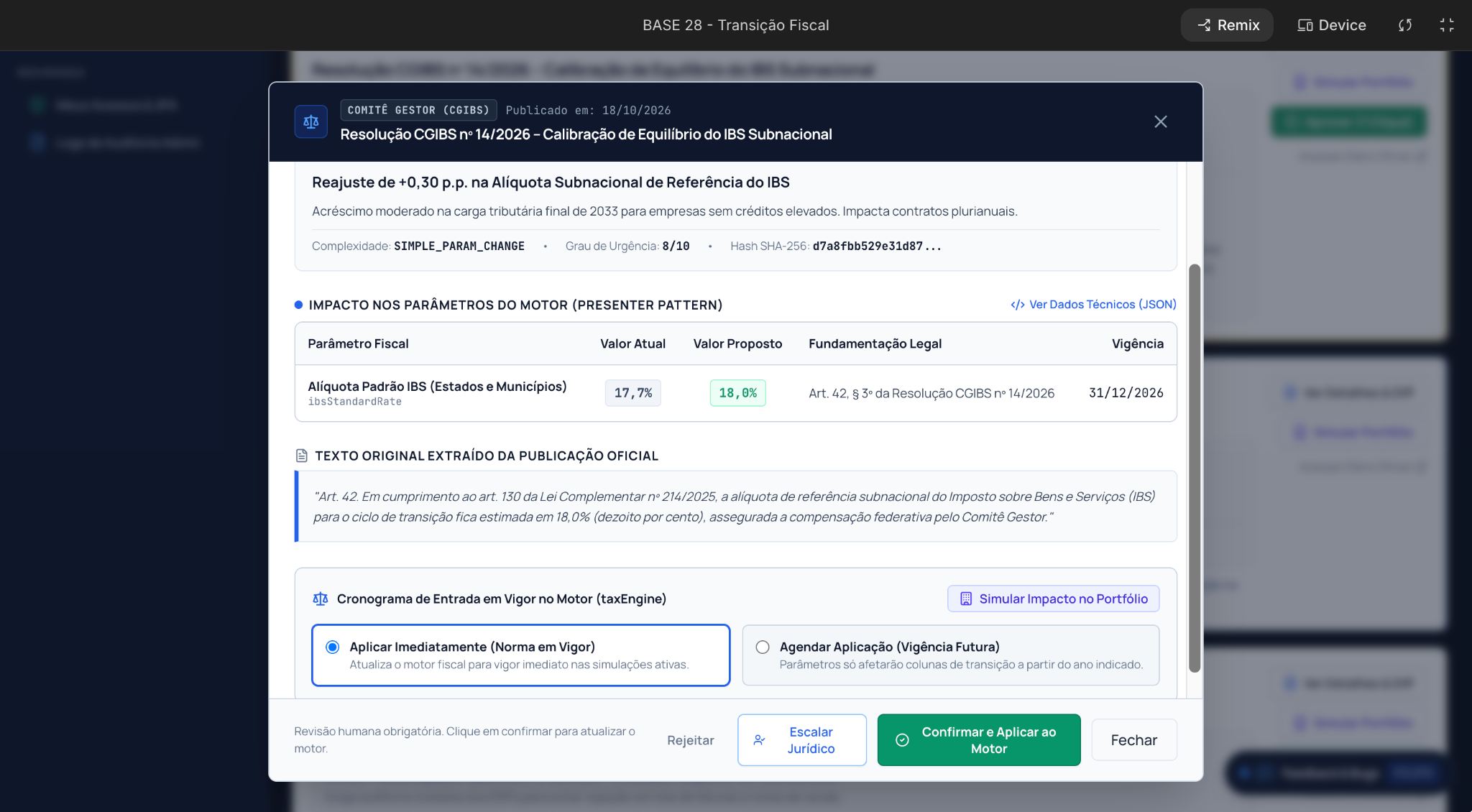
2. Review the change before applying it
The detail view puts current and proposed values beside the supporting text and effective date. The captured workflow offers simulation, immediate or scheduled application, rejection and referral for legal review. Applying a change requires my explicit approval.
Explore impact simulation and reversal
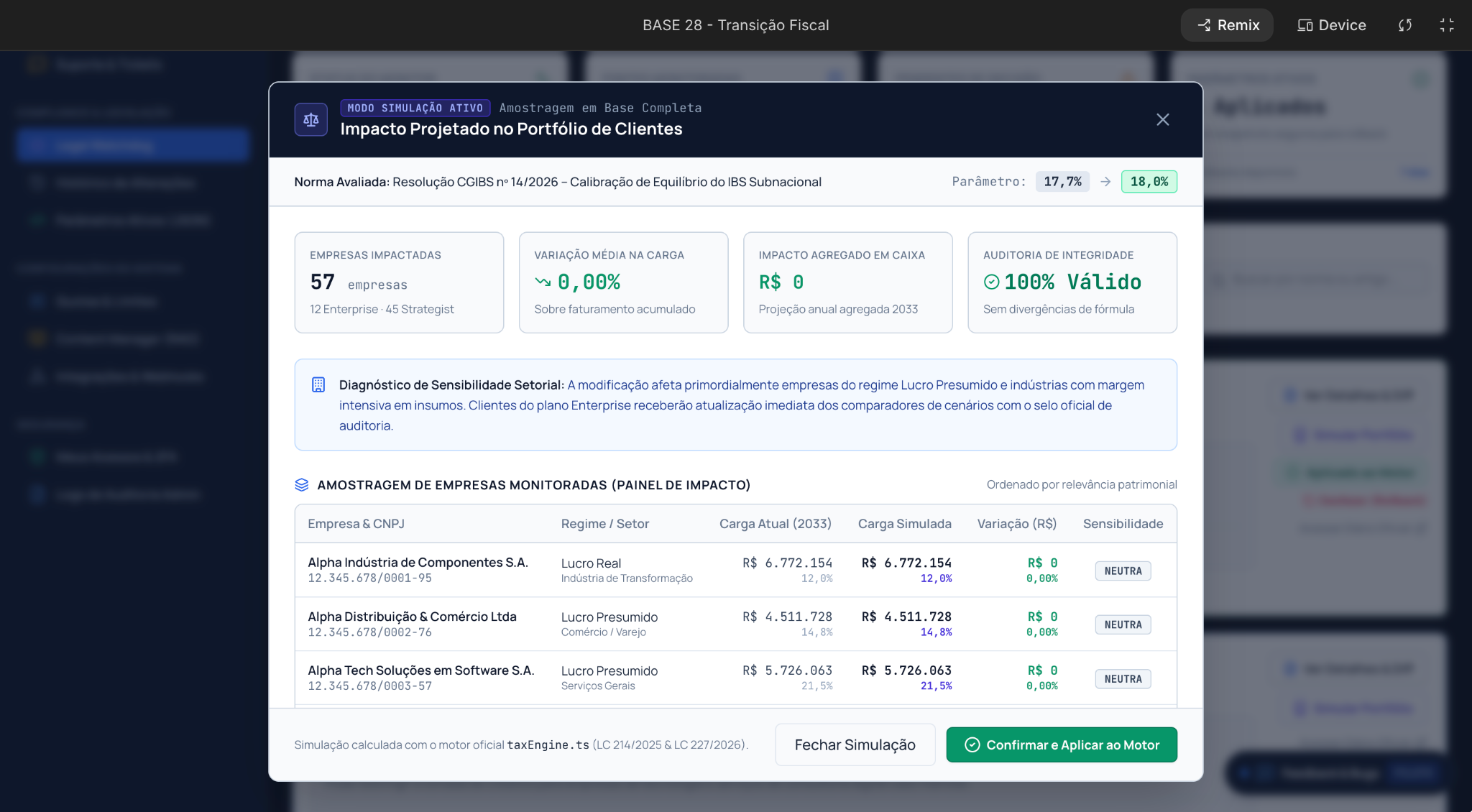
Preview consequences
The impact preview compares affected company scenarios before application. The figures shown are demonstration data, not evidence of customer adoption or financial results.
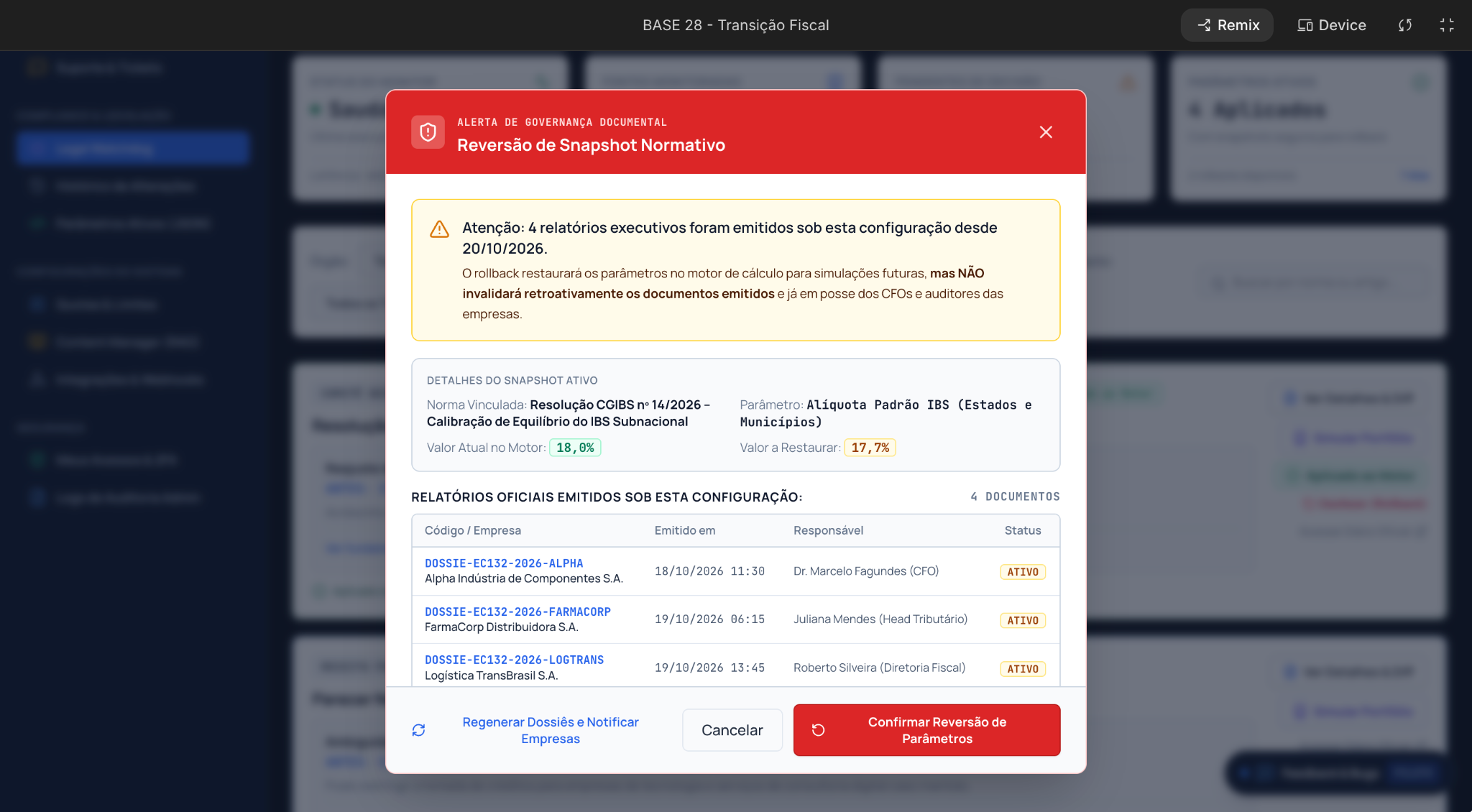
Make reversal consequences explicit
The reversal dialog distinguishes restoring parameters for future simulations from handling reports already issued. It surfaces affected documents so the reviewer can consider the consequences rather than treating rollback as an isolated technical action.
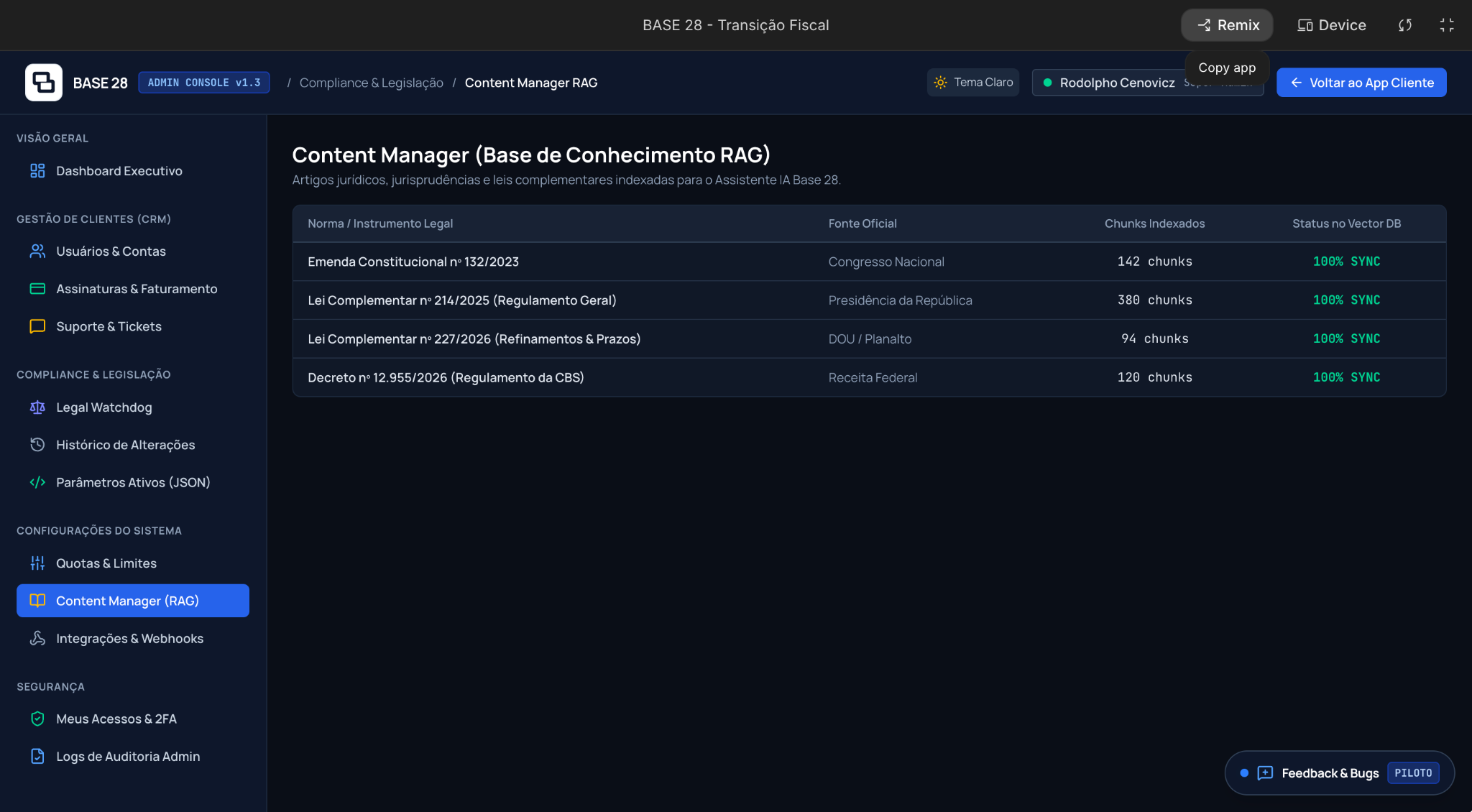
3. Separate knowledge from calculation rules
The knowledge manager shows documents indexed for retrieval by the assistant. Updating that knowledge base and authorizing an engine change are distinct responsibilities: a new document can inform review without becoming an active calculation rule.
What this adds to the case
The design scope now connects the customer-facing decision journey with the internal work needed to maintain it. The next validation should test source traceability, comprehension of proposed changes and effective dates, approval boundaries and recovery after reversal. Screens document the workflow; monitoring coverage, calculation correctness and production reliability are not established by screenshots.
PROOF
From estimated inputs to an informed decision
The product connects assumptions, scenario comparison and an executive deliverable. Supply extends this journey by replacing the estimated qualified-supplier share with audited supplier data. That integration remains in development.
Core · Model and compare
Company assumptions → A/B/C scenarios → Adequacy plan → Executive report.
Supply · Audit and refine
Supplier CNPJs → Credit qualification → Price-limit comparison → Scenario inputs.
Evidence: implemented Core interfaces and deliverables; Supply in development. User validation is ongoing.
W2
Design decisions
The following examples connect the design decisions to their supporting exploration. Original prompts are available on demand.
Product decision informed
The opinion became a second layer over the calculation engine.
View prompt
Act as a Senior Tax Consultant specializing in the Brazilian Tax Reform. Analyze the company's simulated transition data and provide a structured executive strategic opinion.
Product decision informed
The assistant was designed as a bounded guide, not an oracle.
View prompt
You are the “BASE 28 Analyst”, a virtual tax analyst and senior support consultant. Guide users within explicit regulatory, tone and human-escalation boundaries.
The formulas and transition table are deterministic. AI explains the calculated scenario; specialists validate the tax position.
↳
AI support
AI supported flow exploration and implementation; Supply emerged during that exploration. I lead product strategy, UX/UI, testing and refinement. In the product, generated explanations interpret scenarios calculated by a separate deterministic engine.
Product in acceptance testing
Open BASE 28 Explore the official Core application.
11
Outcome & Next Validation
BASE 28 Core is available on its official domain and is in acceptance testing. I am independently testing and refining the experience while prospecting participants. Supply remains in development. The current evidence is the implemented journey and its simulation deliverables; measured business impact is not yet available.
01
One continuous journey from assumptions to an executive action plan
02
Auditable separation between calculations, interpretation and specialist validation
03
A/B/C scenario model connected to organizational decisions
04
Acceptance testing underway; participant recruitment ongoing
12
Learnings
In a high-stakes domain, clarity comes from showing the chain of reasoning.